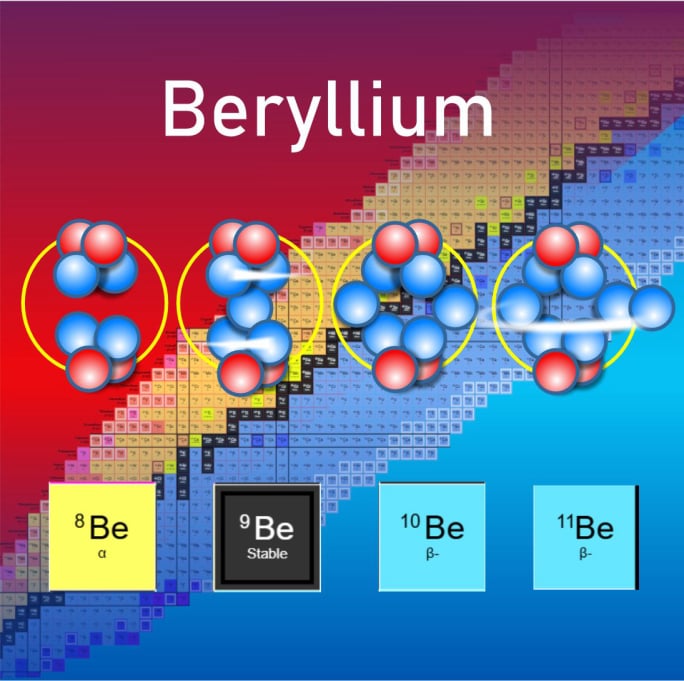
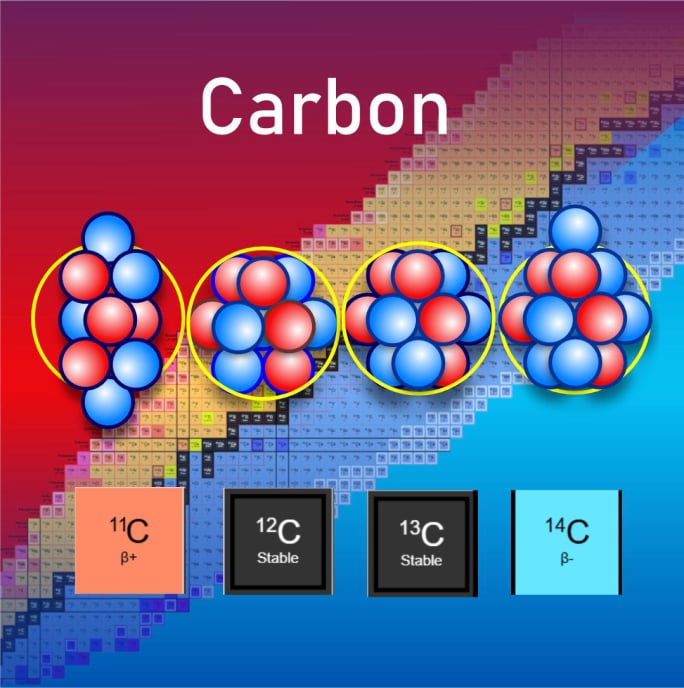
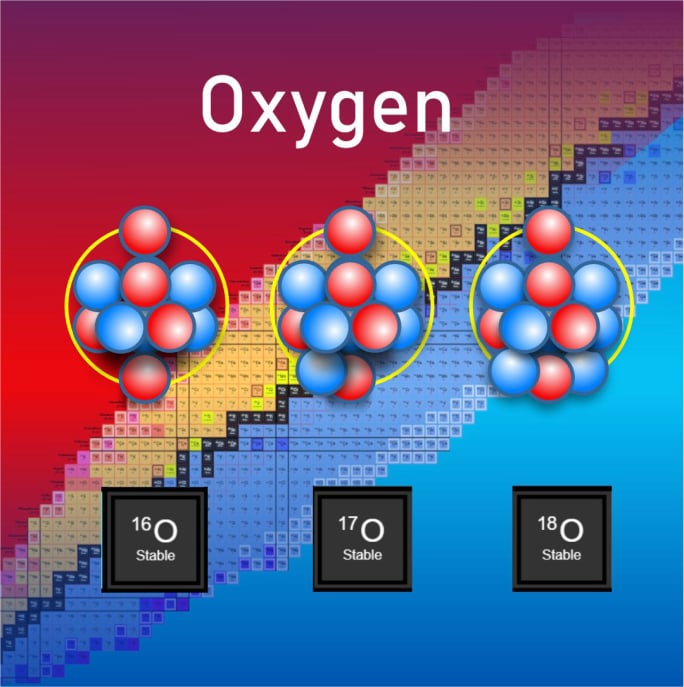
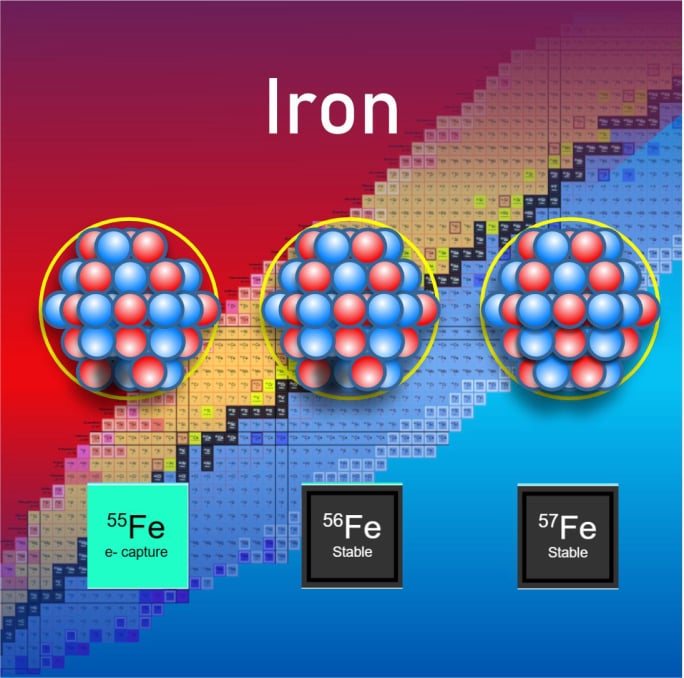
The new model of reality offers a clearer understanding of the quantum world, making it less enigmatic. It is underpinned by testable properties that demonstrate greater accuracy compared to previous atomic models, providing a more robust framework for exploring atomic behavior and interactions.
The Liquid Gravity Model (LGM):
A Physically Intuitive Approach to Atomic Understanding
The Liquid Gravity Model (LGM) presents an innovative and intuitive framework for comprehending the intricate processes occurring within an atom. By likening nucleons to liquid-like droplets, the model provides a tangible way to visualize atomic behavior and dynamics.
The Concept of Nucleons
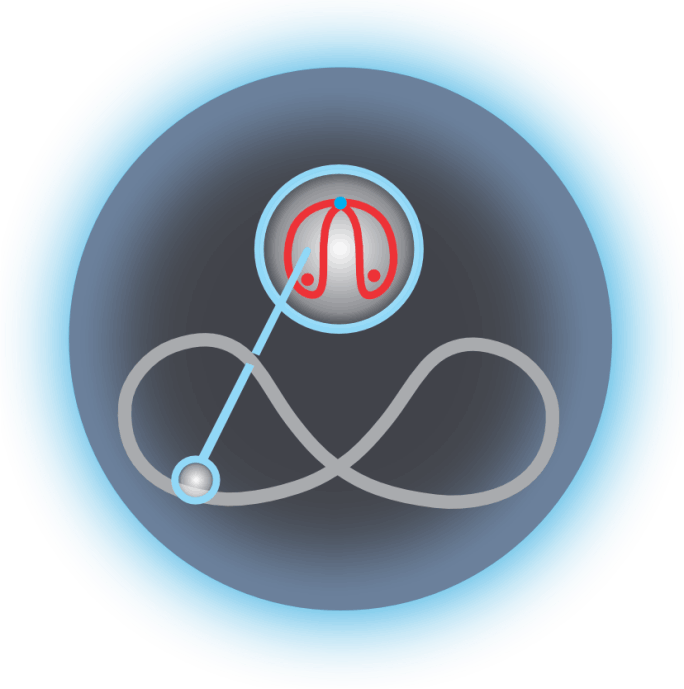
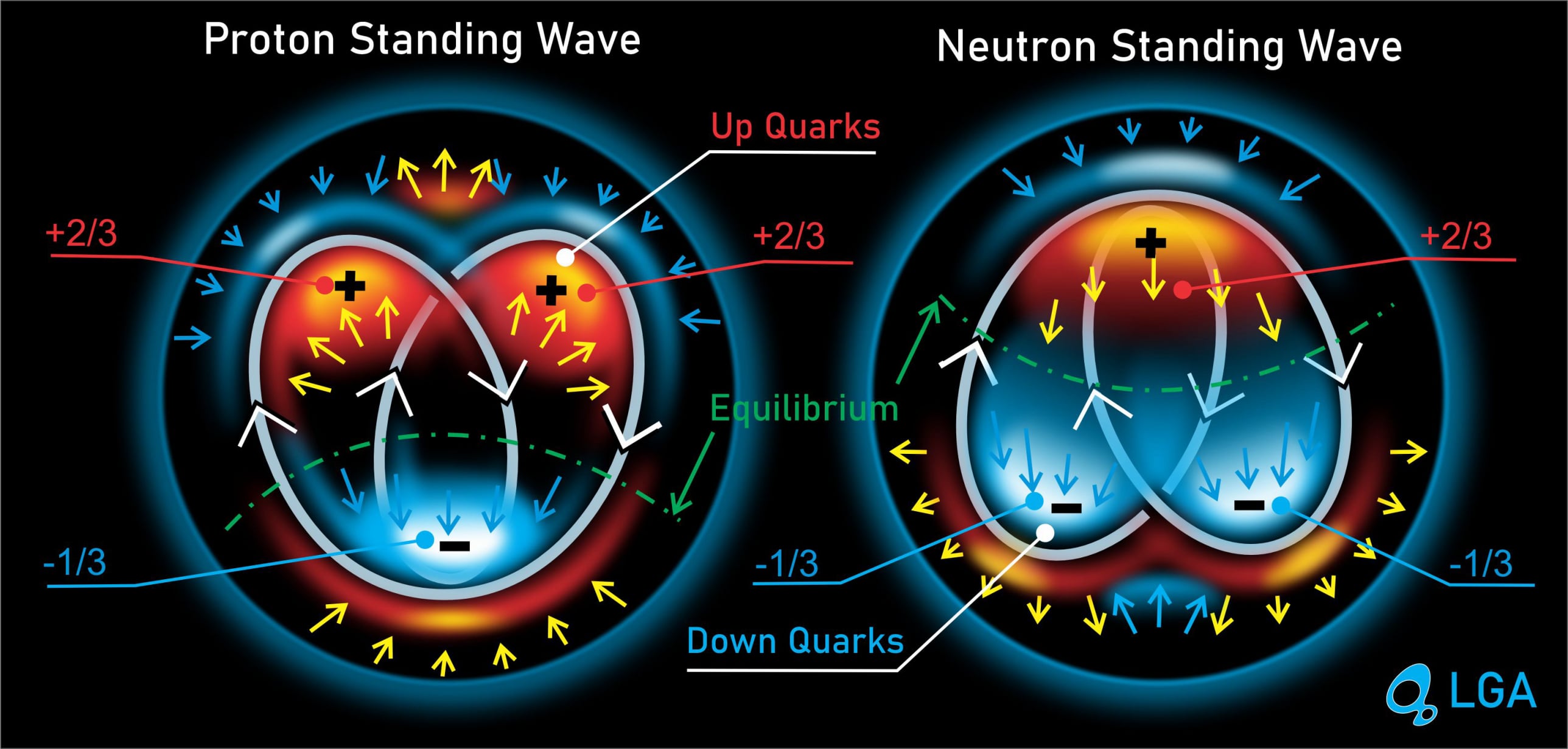
In the LGM, nucleons (protons and neutrons) are conceptualized as droplets filled with a pulsating wave. This unique perspective enables the formation of dynamic vortex structures and eddies within the atomic environment. These liquid-like properties offer a fresh lens through which to examine the connections and interactions between nucleons, enhancing our understanding of atomic mechanics.
The Atomic Engine: Properties and Rules
The LGM serves as an "atomic engine," delineating various properties and rules that govern atomic structure and behavior.
Key components include:
Proton and Neutron Connections:
The relationships and bonds formed between nucleons are crucial in defining the stability and structure of atomic nuclei.
Nucleus Structures: The arrangement of nucleons within the nucleus plays a vital role in determining the characteristics of elements and their isotopes.
Decay and Instability Triggers: Understanding the factors that contribute to decay and instability is essential for predicting the behavior of atomic nuclei.
New Discoveries: Uncovering Exciting Explanations
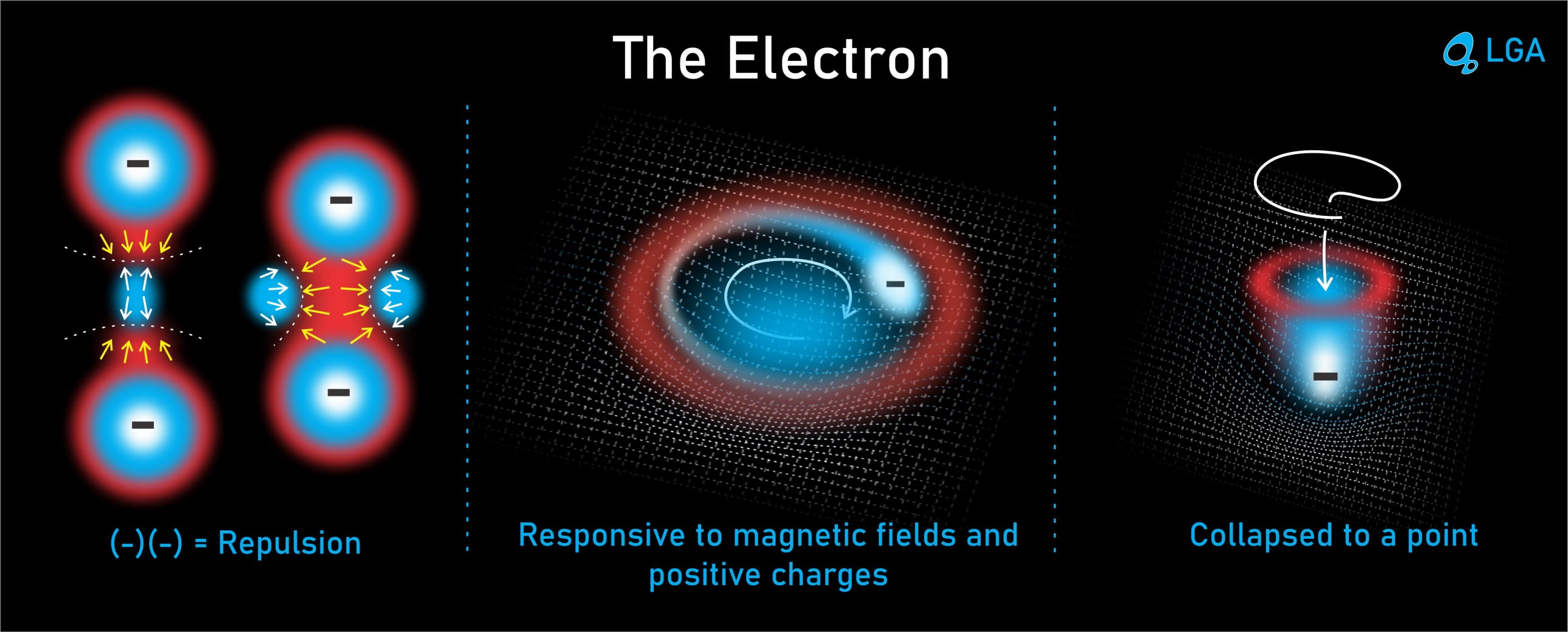
One of the most thrilling aspects of the LGM is its capacity to explain previously enigmatic phenomena, such as electron half-spin.
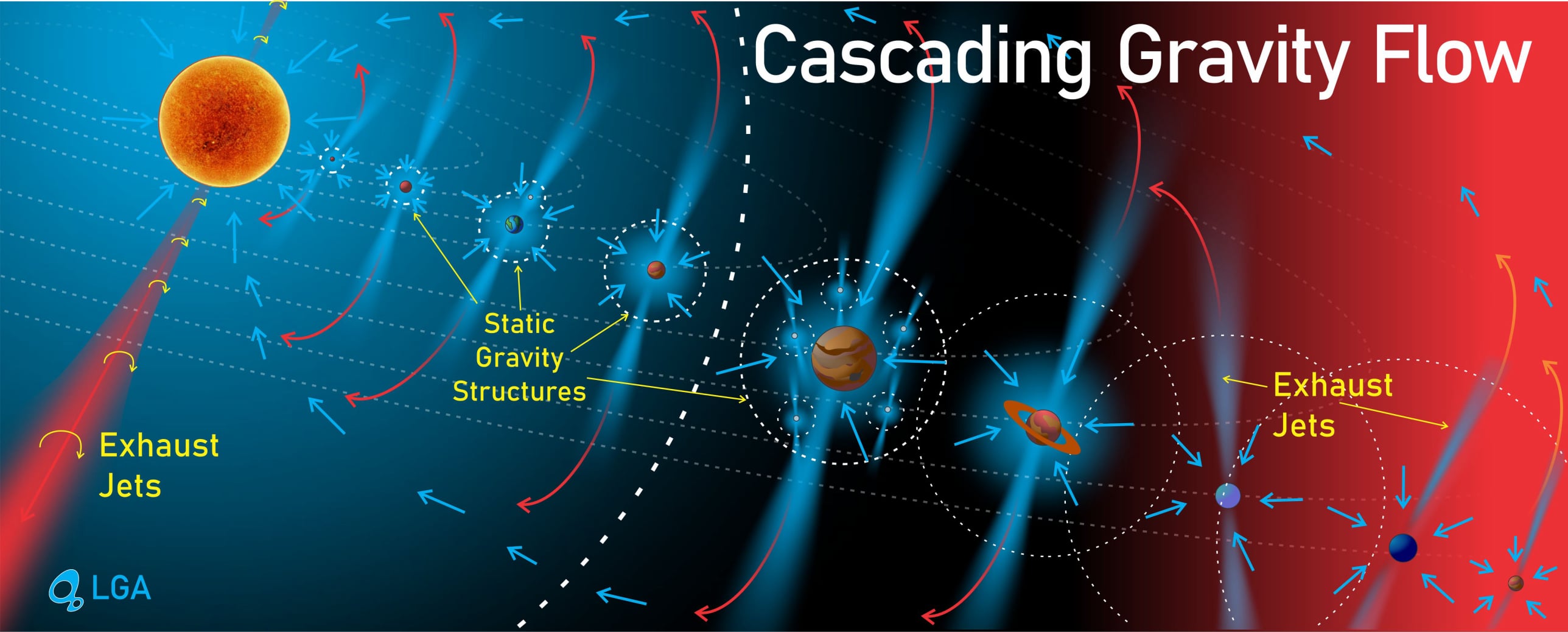
Also identifying the elusive realm of quantum gravity and how it plays a key role in the nucleus.
By bridging gaps in existing quantum theories, the LGM aims to provide clarity on these complex topics.
Testing the Model
The LGM employs six distinct properties to calculate binding energies, demonstrating significantly improved results over the traditional Liquid Drop Model. This advancement in accuracy not only reinforces the validity of the model but also opens avenues for further research and exploration.
The Goals of the LGM
Ultimately, the Liquid Gravity Model aspires to demystify the quantum world. By enhancing our understanding of atomic interactions and stability, the LGM seeks to identify the concept of "Stability Island"—a metaphorical safe haven of stable atomic configurations.
In conclusion:
the Liquid Gravity Model represents a transformative approach to atomic theory, offering a physically intuitive method for grasping the complex dynamics of the atomic world. As research continues, the LGM has the potential to redefine our understanding of atomic behavior and contribute significantly to the fields of quantum science and physics.
6 key properties govern the structure and binding energy of a nucleus. Understanding these will help science explore the hidden behavior of atoms and lead to new discoveries.
Each element exists in a state of equilibrium between positive beta (β+) and negative beta (β-) decay. This balanced state is governed by the ratio of protons to neutrons within the nucleus
.
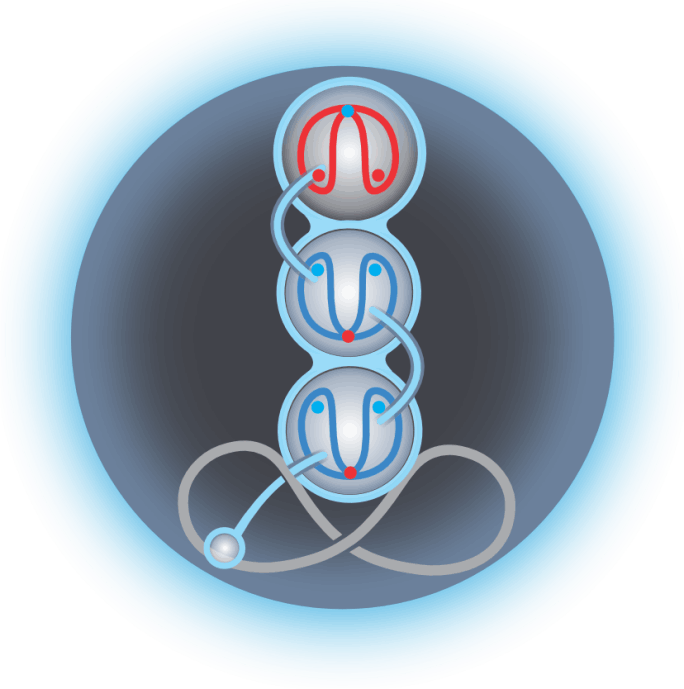
Protons and neutrons form chains, with each proton able to form connections with multiple neutrons. These chains are bound by the gluon flux tubes that pass the positive charge.
Nucleon stacking plays a key roll on the stability and binding energy of each nucleus. There are three primary stacking methods from nesting to layering that have different binding strengths,
Tidal effects arise from the gravitational properties of individual nucleons. Displaced mass increases progressively toward the center of the nucleus, where the gravitational clustering is strongest.
Our consultants deliver measurable impact through efficiency, innovation.
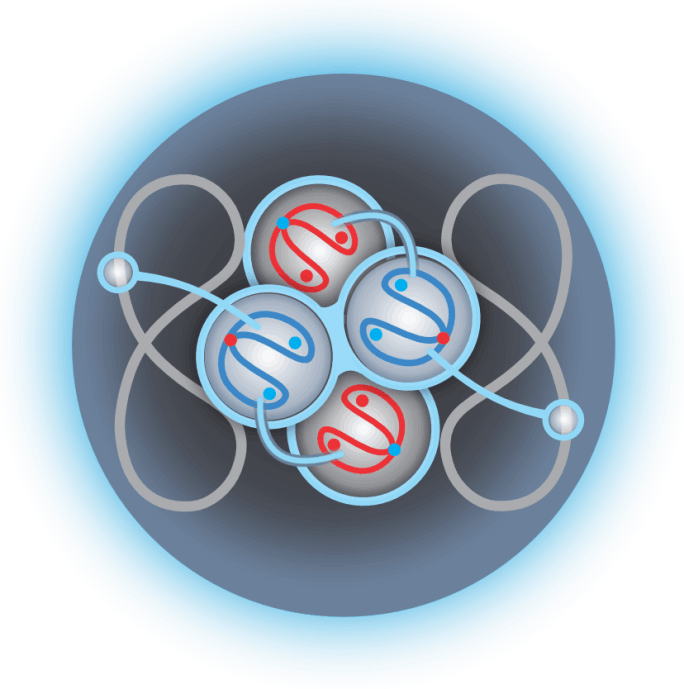
The electron’s half-spin is typically described as an intrinsic and fundamental quantum property, giving rise to its characteristic behavior when it collapses into a spin-up or spin-down state during measurement.
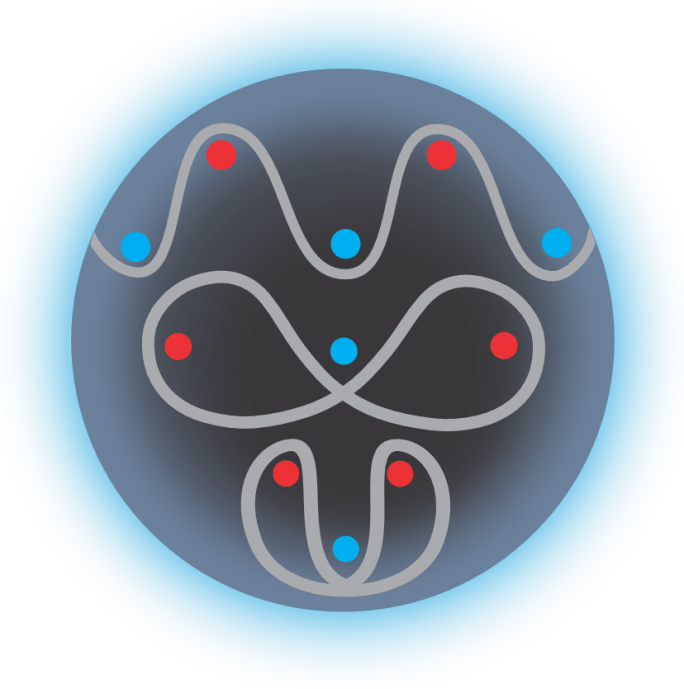
In this model, the mystery of half-spin is reframed as a consequence of the nucleon field rather than an inherent property of the electron itself. The nucleons are described as waves confined to a closed, figure-eight trajectory. As the wave moves through regions associated with the “positive zone” (the up-quark region), it generates a positive field.
Because the figure-eight path intersects itself, the orientation of the wave flips as it cycles, producing alternating left- and right-handed rotational fields. The electron responds to this alternating field by shifting between the two corresponding spin states. Thus, the electron is found in either a left- or right-spin state depending on the phase of the nucleon wave cycle at the moment of interaction.
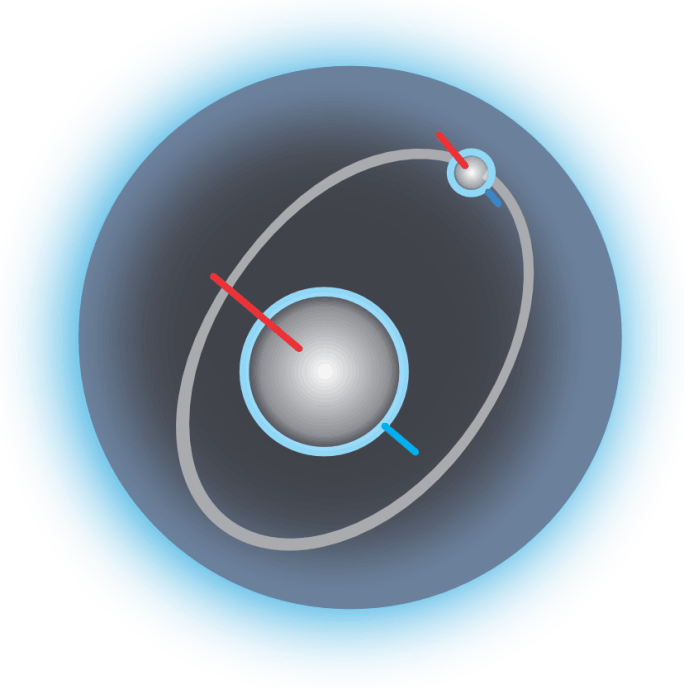
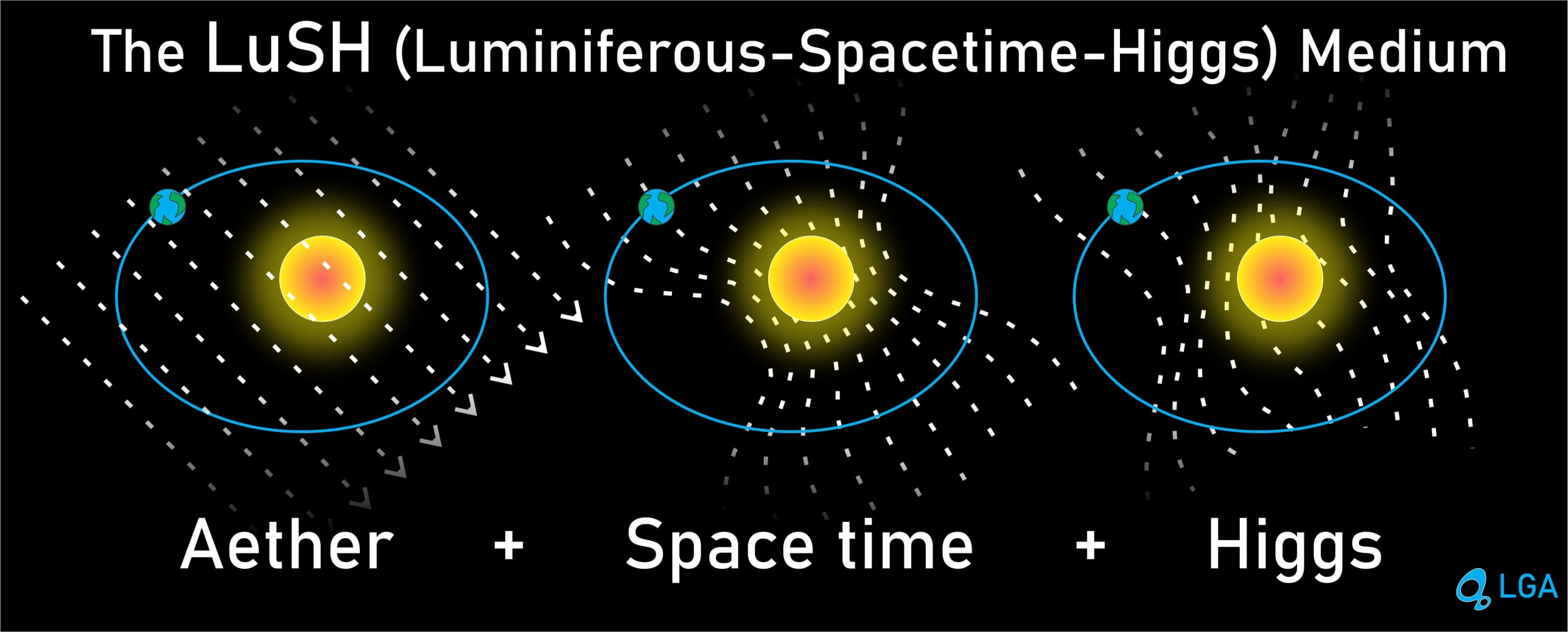
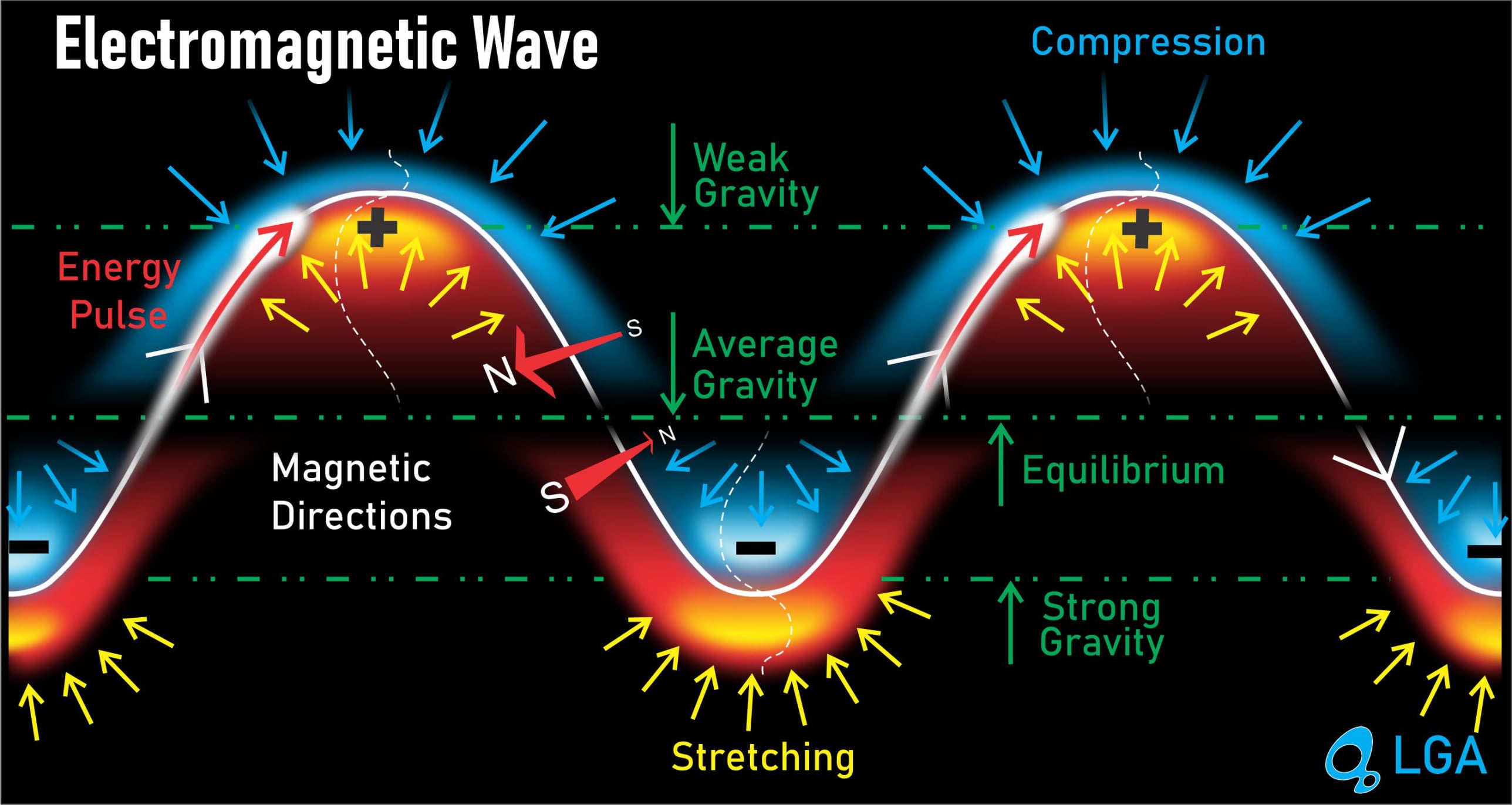
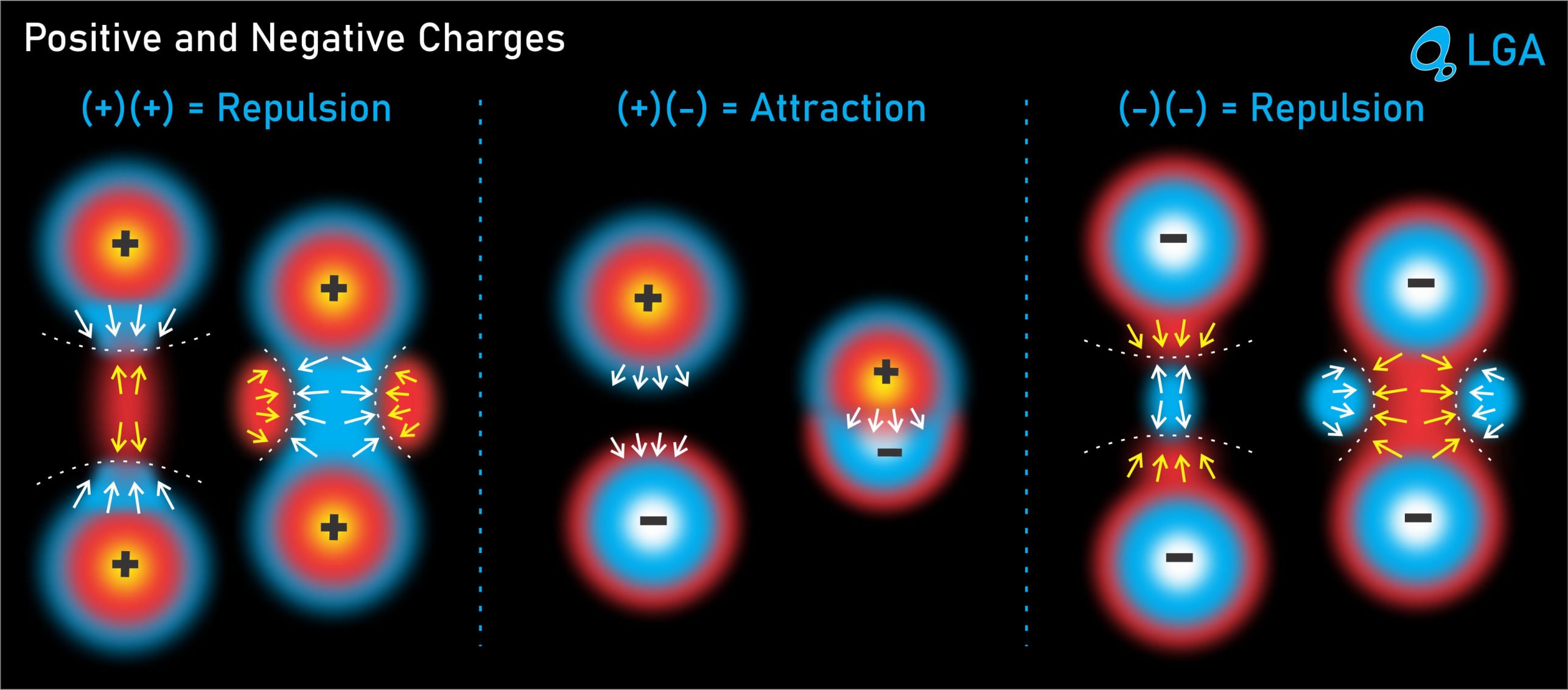
Gravity plays a key role inside the nucleus, with each nucleon generating a uniform negative radiation field that exhibits gravitational behavior. In the hydrogen-1 atom, the positive and negative fields are balanced, allowing us to postulate that the gravitational energy of a single nucleon is equivalent to a –1 charge opposing the +1 charge of the positive field.
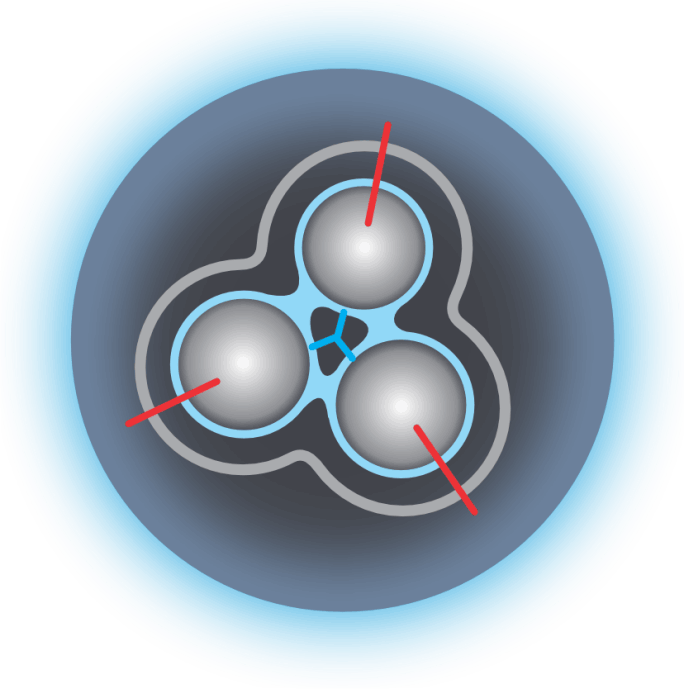
When nucleons cluster together, tidal effects emerge as the “liquid surface” of each nucleus builds up at every point of contact. This liquid-like tidal behavior of binding mass becomes apparent when comparing the binding energies of H₂ and He⁴, where the per-contact (or “kiss point”) binding energy increases by about 220%. The reason is straightforward: each nucleon gravitationally influences its neighbor, raising the tidal level at each touch point and thereby displacing a greater amount of binding energy.
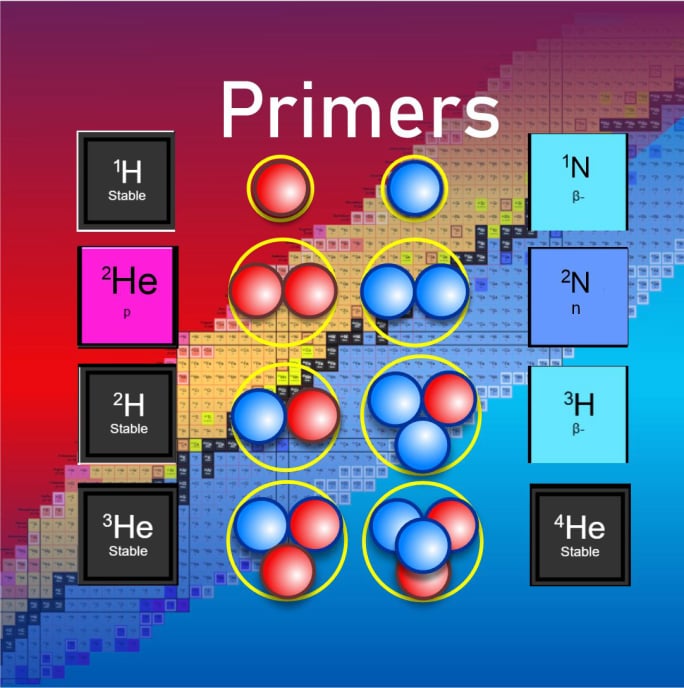
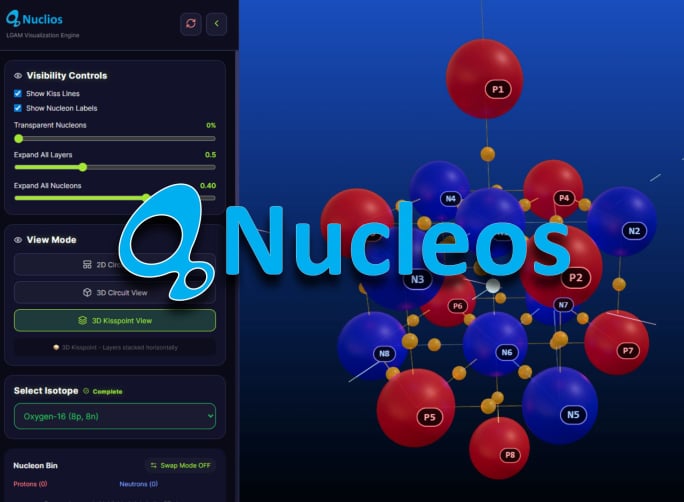
The traditional method of assessing atomic binding energy typically focuses on a per-nucleon basis. In contrast, the Liquid Gravity Model (LGM) introduces a more precise approach by examining the number of "kiss points"—the contact points within the atomic structure. For instance, H₂ has one kiss point, while He₄ has six. By pinpointing all kiss points and their specific locations, the accuracy of binding energy calculations can be significantly enhanced.
Additionally, two factors—stacking and tidal effects—impact each kiss point, influencing mass displacement. As nucleons become more deeply embedded within the nucleus, they tend to lose additional mass, resulting in an increase in binding energy.
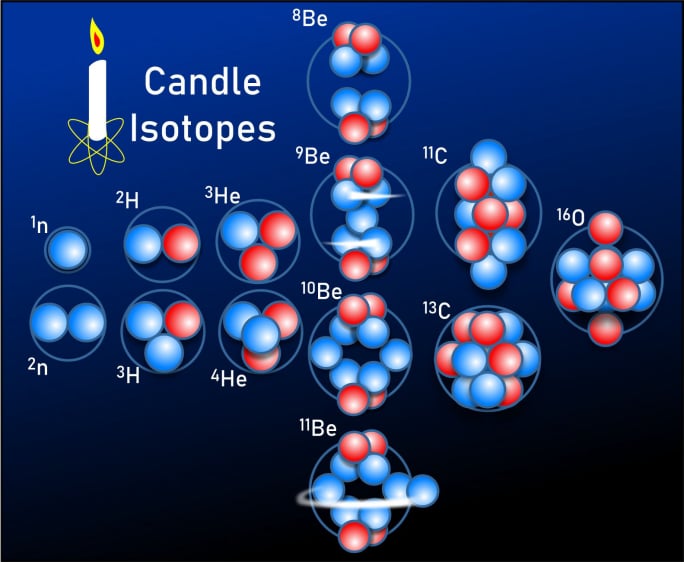
Mainstream science posits that the atomic nucleus is loosely arranged; however, the Liquid Gravity Model (LGM) proposes that the nucleus is tightly organized in a specific configuration. There are two primary types of stacking: nesting and layering. Generally, smaller atoms and external nuclei are nested together, while internal nuclei are organized in layers.
This structured order arises from various forces—such as gravity and electromagnetic interactions—that optimize the shape of the nucleus. These stacking configurations significantly influence binding energy calculations and the structural stability of an atom. For example, the alpha particle is nested together, resulting in the most stable configuration.
Moreover, the nuclei continuously reform as the electromagnetic circuits alternate, causing vibrations that drive the nuclei into a highly optimized arrangement.
Protons and neutrons link together through energy circuits that connect their corresponding positive and negative terminals. These circuits follow specific rules that allow them to assemble into interconnected chains threading through the nucleus. When these chains are weakly or improperly connected, the instability can lead to beta decay.
Gravity influences these structures by clustering nucleons together, preventing the electromagnetic force from arranging the chains into more favorable straight-line configurations.
Each circuit carries a single charge, which splits into two alternating paths corresponding to the two halves of an orbital. The proton initiates this charge with a +1 output, passing it along to the neutrons, which in turn emit the resulting positive field.
Have some feedback or just want to say hi? Drop us a line!