Liquid Gravity 

Atomic Structure

For decades progress on atomic structure has been limited by the prevailing view that nuclei are loosely bound, vibrating collections of nucleons randomly exchanging gluons and quarks—a liquid‑drop picture that yields useful semi‑empirical fits but few reliable predictions. The LGA model instead identifies explicit local mechanisms that power atomic structure and uses them to make more accurate, testable predictions. 
Tour 

Building Atoms

6 Properties 

6 key properties govern the structure and binding energy of a nucleus. Understanding these will help science explore the hidden behavior of atoms and lead to new discoveries.

6 Property Method

Balance

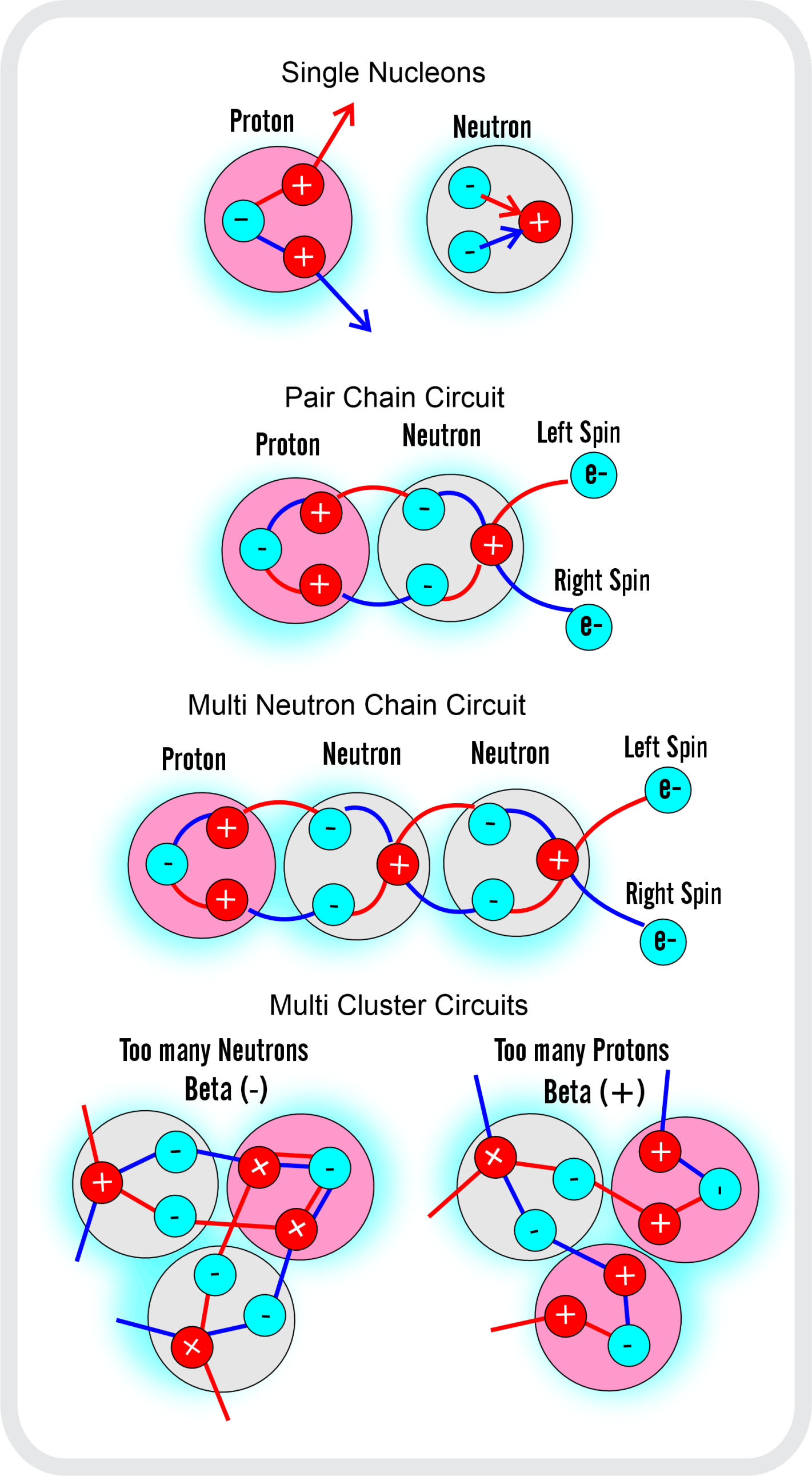
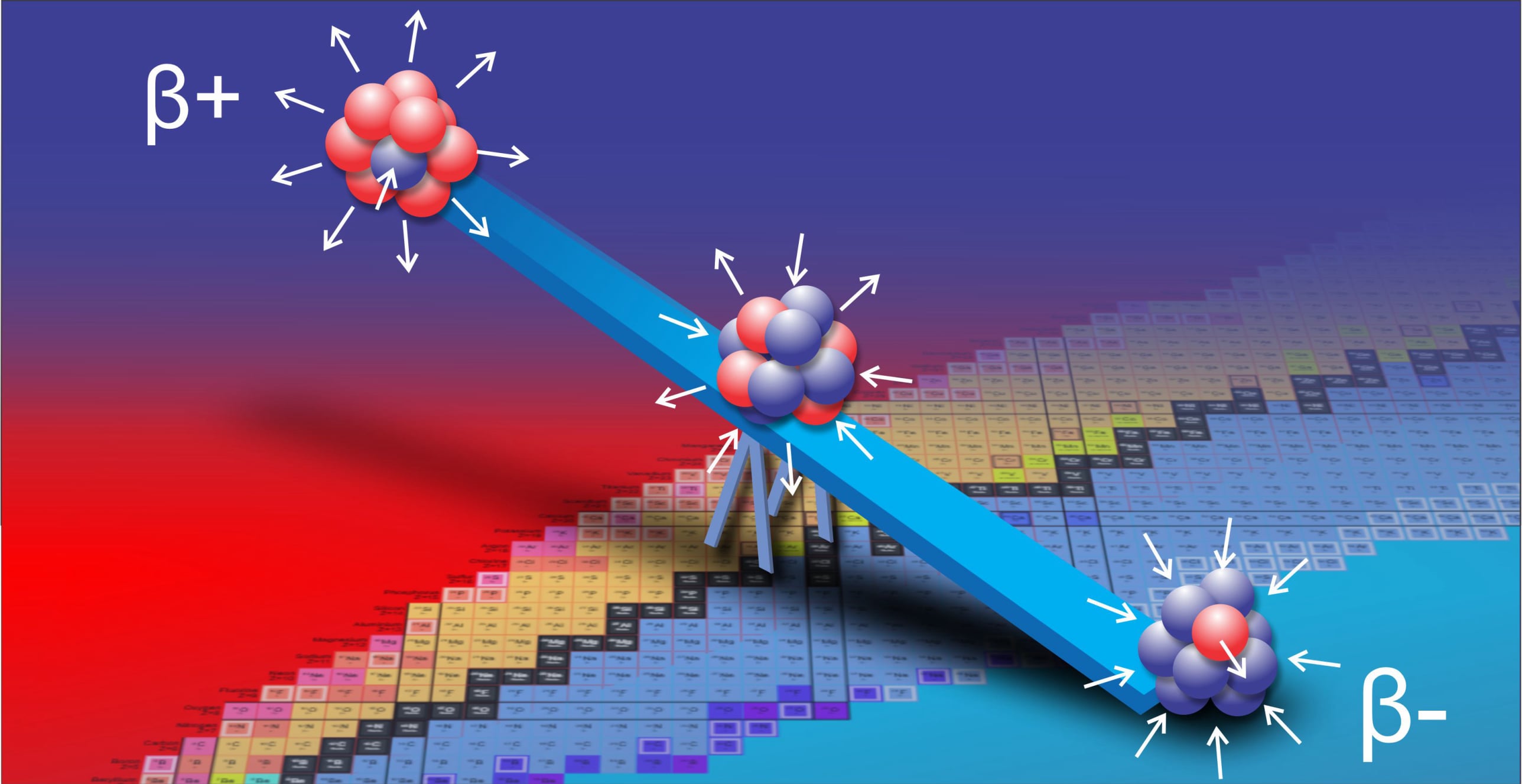
Each element exists in a state of equilibrium between positive beta (β+) and negative beta (β-) decay. This balanced state is governed by the ratio of protons to neutrons within the nucleus
.

Linkages

Protons and neutrons form chains, with each proton able to form connections with multiple neutrons. These chains are bound by the gluon flux tubes that pass the positive charge.

Stacking

Nucleon stacking plays a key roll on the stability and binding energy of each nucleus. There are three primary stacking methods from nesting to layering that have different binding strengths,

Tidal

Tidal effects arise from the gravitational properties of individual nucleons. Displaced mass increases progressively toward the center of the nucleus, where the gravitational clustering is strongest.


Kiss Points

Our consultants deliver measurable impact through efficiency, innovation.

Odd - Even

Our consultants deliver measurable impact through efficiency, innovation.

Circuits that link Nucleons

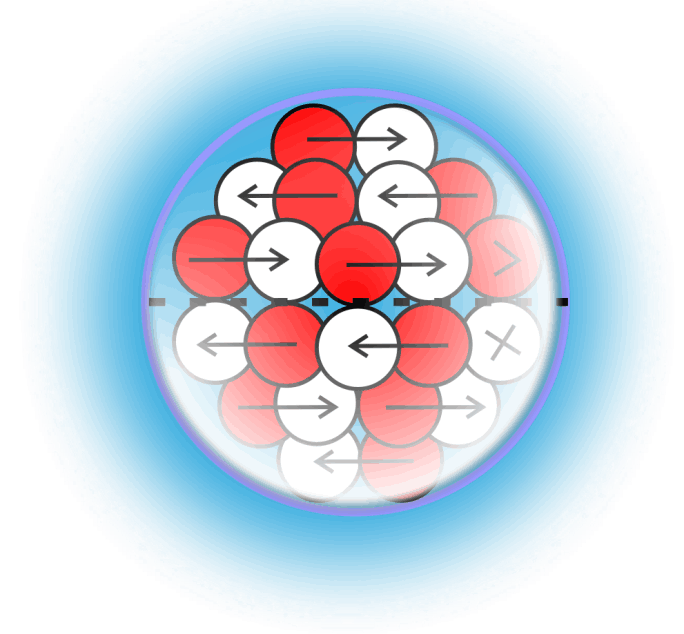
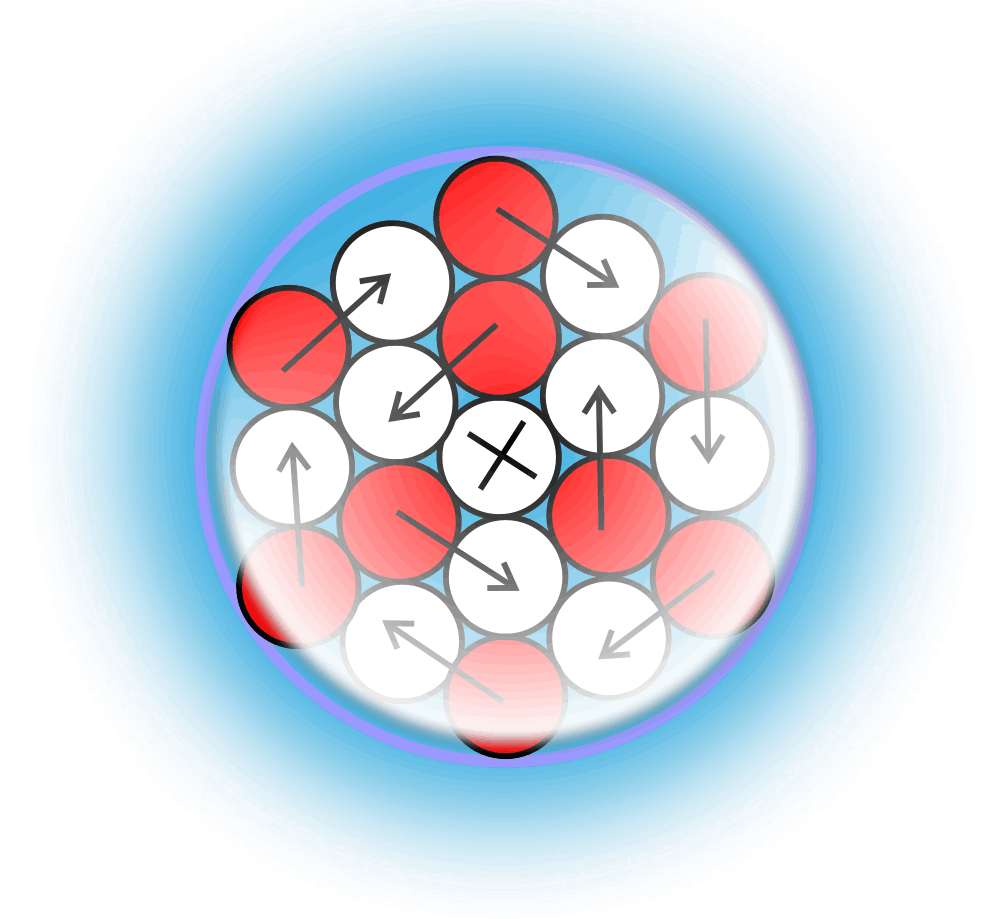
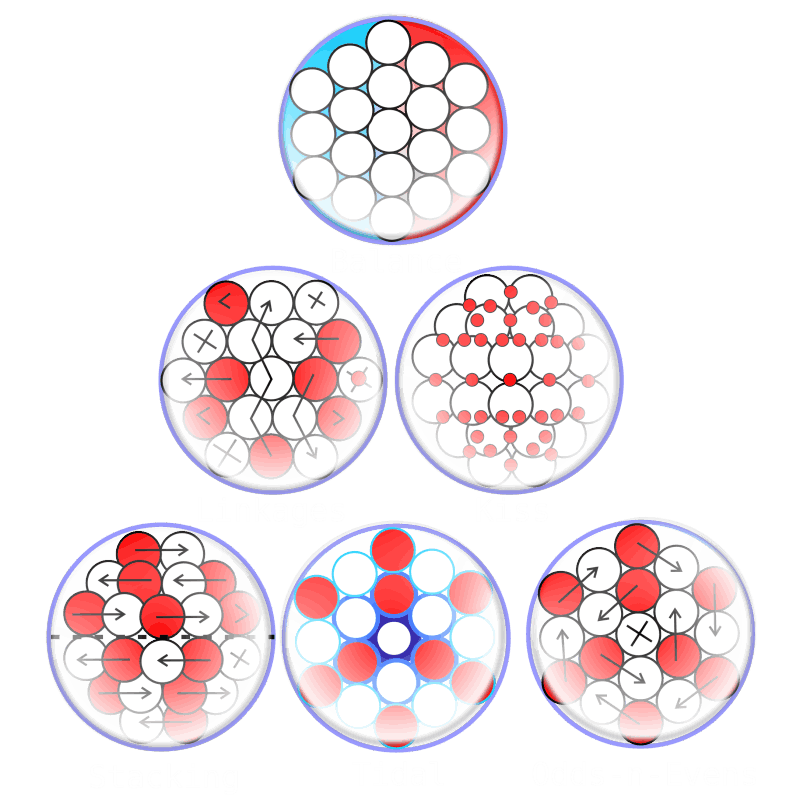
Protons and neutrons link together through energy circuits that connect their corresponding positive and negative terminals. These circuits follow specific rules that allow them to assemble into interconnected chains threading through the nucleus. When these chains are weakly or improperly connected, the instability can lead to beta decay.

Gravity influences these structures by clustering nucleons together, preventing the electromagnetic force from arranging the chains into more favorable straight-line configurations.

Each circuit carries a single charge, which splits into two alternating paths corresponding to the two halves of an orbital. The proton initiates this charge with a +1 output, passing it along to the neutrons, which in turn emit the resulting positive field.

Nucleon

Balance

One of the most striking features of the chart of isotopes is the thin, irregular band of stable nuclei known as the Valley of Stability. Isotopes above this line tend to undergo Beta Plus Decay (β⁺), while those below it typically undergo Beta Minus Decay (β⁻). Although it is clear that stable nuclei require a balance between protons and neutrons, the reason this stability line is curved and uneven is less obvious.

In mainstream nuclear physics, neutrons are thought to act as a buffer between positively charged protons, helping to counteract their electrostatic repulsion through the strong nuclear force. While this explains why heavier nuclei require more neutrons than protons, it does not fully explain the irregular and wavy shape of the stability line itself.


Balance from stacking

The LGA model proposes a different explanation. It suggests that nuclear binding arises from gravitational pressure within the nucleon structure. As nucleons become increasingly submerged within the nucleus, the effective binding pressure is reduced. Because nucleons can stack in different structural arrangements, this reduction in binding strength does not occur uniformly, producing the characteristic curved and irregular stability line seen in the isotope chart. Based on this understanding we can look at the most likely stacking structure for each nucleon and calculate the balance ration that needs to be as close to 100%. Where protons add a positive value and each nucleon including protons and neutrons add a negative value.


Nucleon Balance Calculations

Stacking

Structure

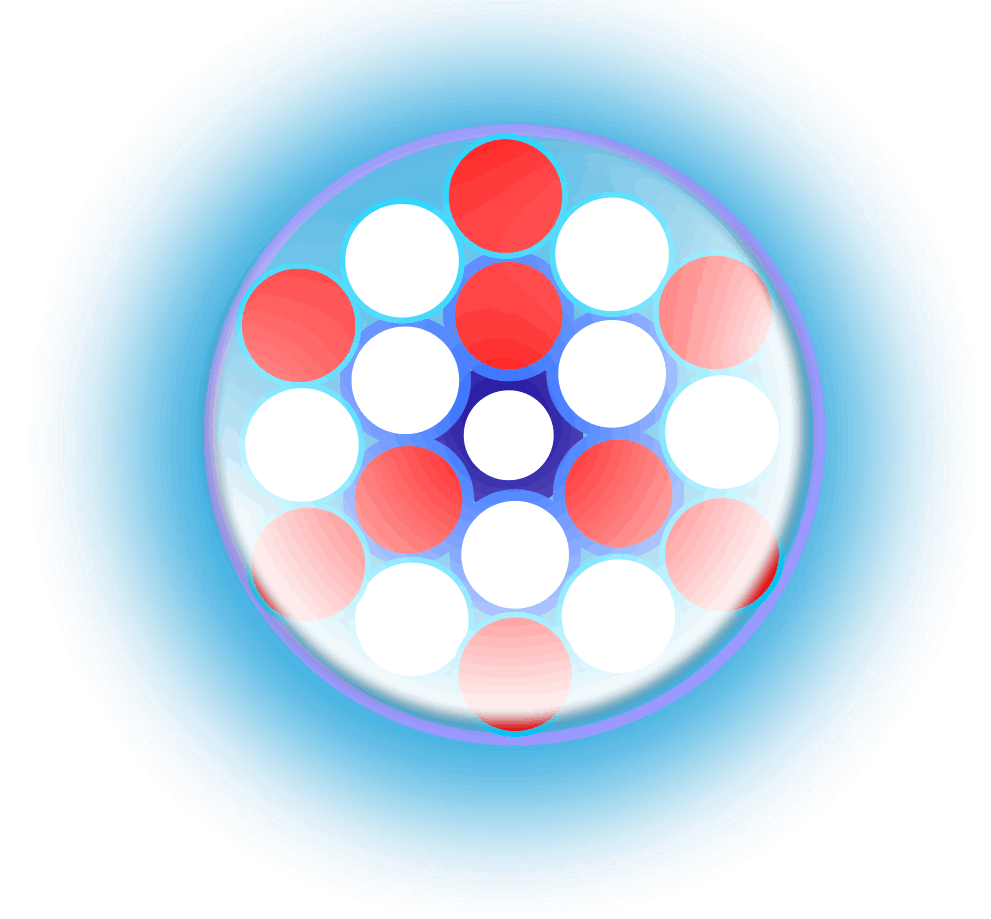
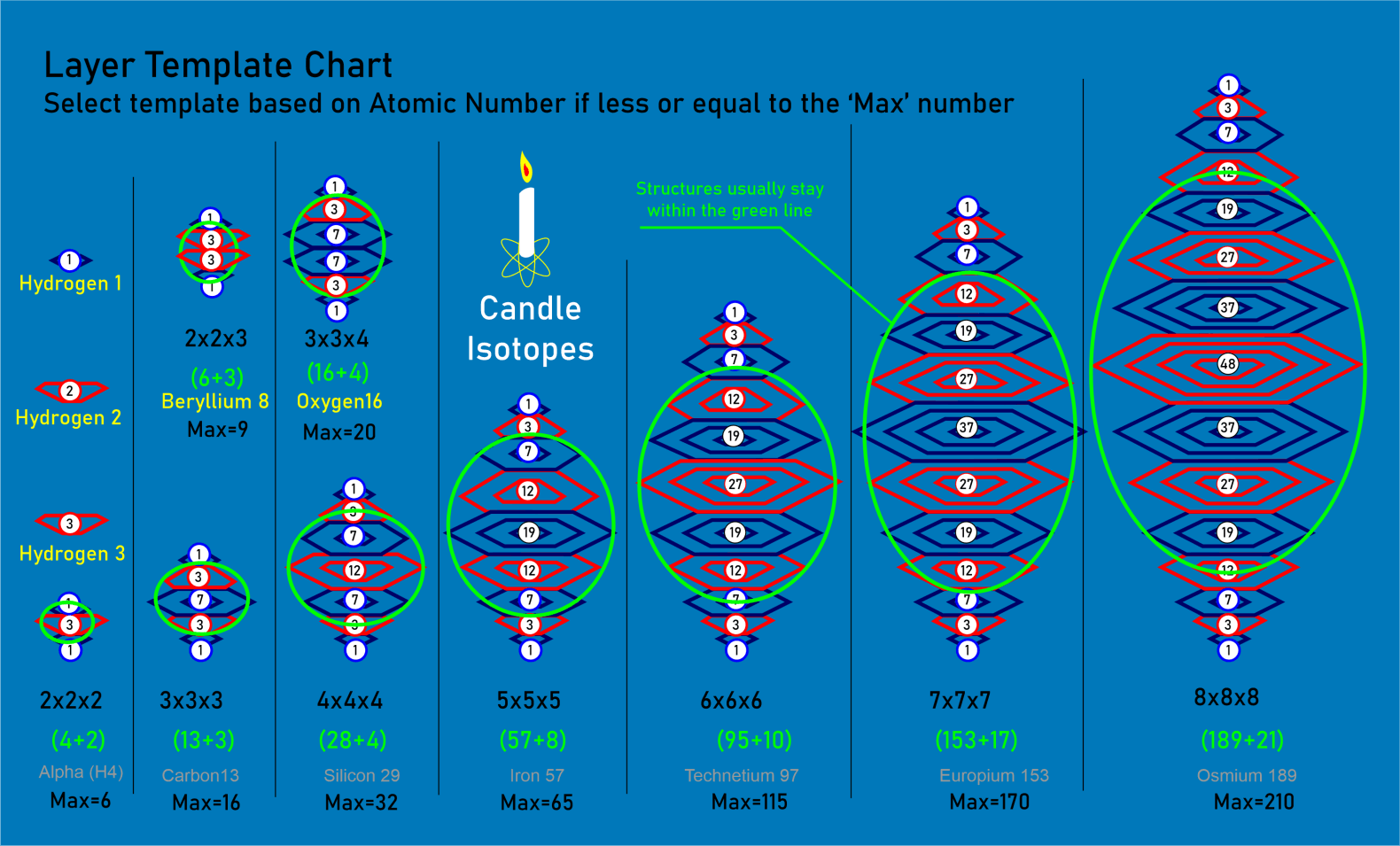
Mainstream science posits that the atomic nucleus is loosely arranged; however, the Liquid Gravity Model (LGM) proposes that the nucleus is tightly organized in a specific configuration. There are two primary types of stacking: nesting and layering. Generally, smaller atoms and external nuclei are nested together, while internal nuclei are organized in layers.

This structured order arises from various forces—such as gravity and electromagnetic interactions—that optimize the shape of the nucleus. These stacking configurations significantly influence binding energy calculations and the structural stability of an atom. For example, the alpha particle is nested together, resulting in the most stable configuration.

Moreover, the nuclei continuously reform as the electromagnetic circuits alternate, causing vibrations that drive the nuclei into a highly optimized arrangement.

Structural  Atom Maps

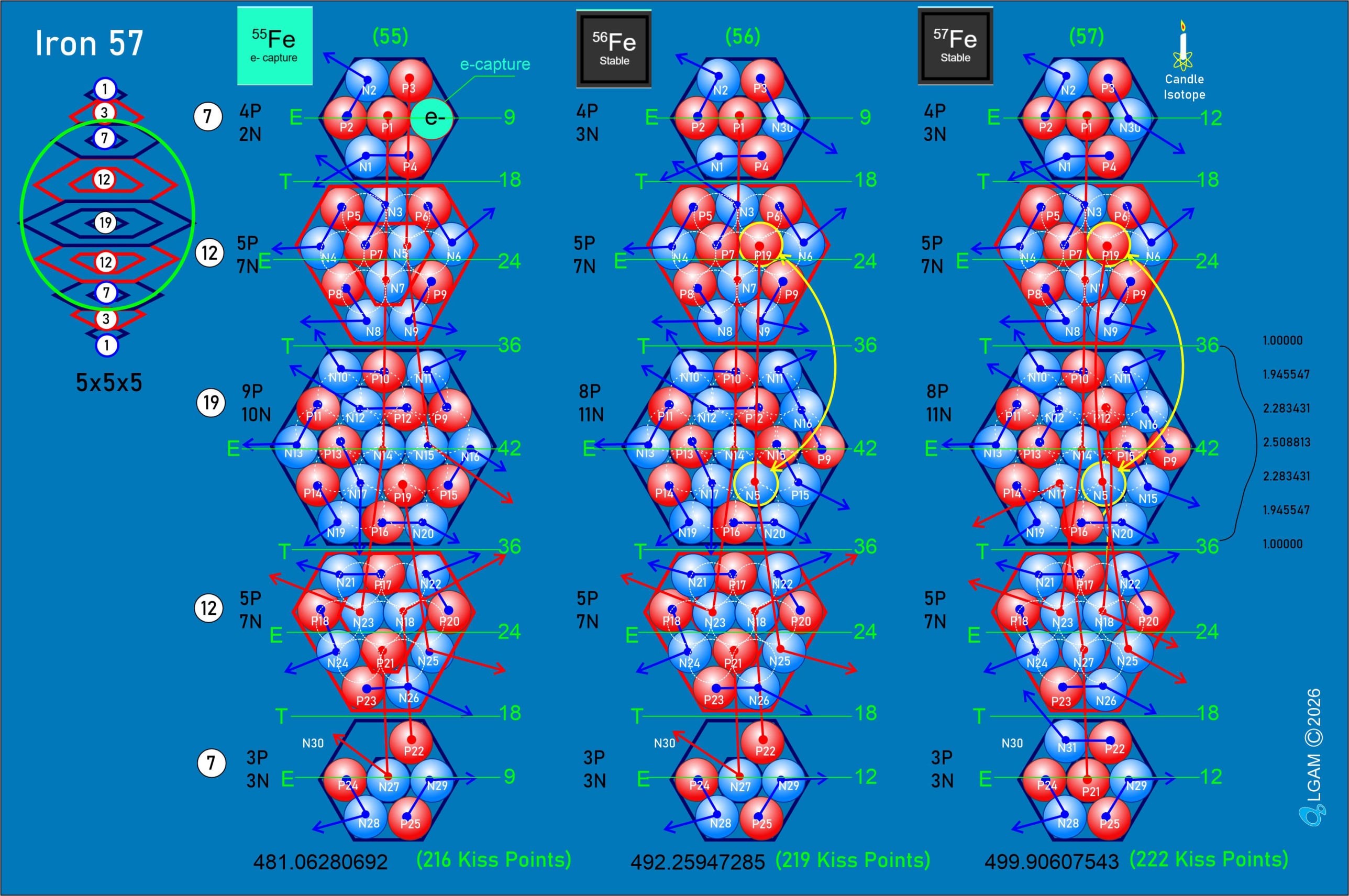
What's the point of making detailed maps of atomic-nucleus structures? Technetium isotopes provide a clear example of why this is valuable. Two isotopes separated by a single neutron show dramatically different half-lives: one decays in about 4.28 days, while the other persists for roughly 4.21 million years. Mainstream models do not explain why this single-neutron difference produces such a large change or predict these outcomes reliably.

The LGA model lets you compare nuclear-structure maps side by side. Careful comparison shows that one technetium isotope has an “orphan” neutron, which is unstable and may be the primary cause for the short half-life compared to its relatively stable sibling. Having these side-by-side maps of the nucleus is like an MRI scan, allowing us to slice open the atom's internal structure and identify potential causes of instability.

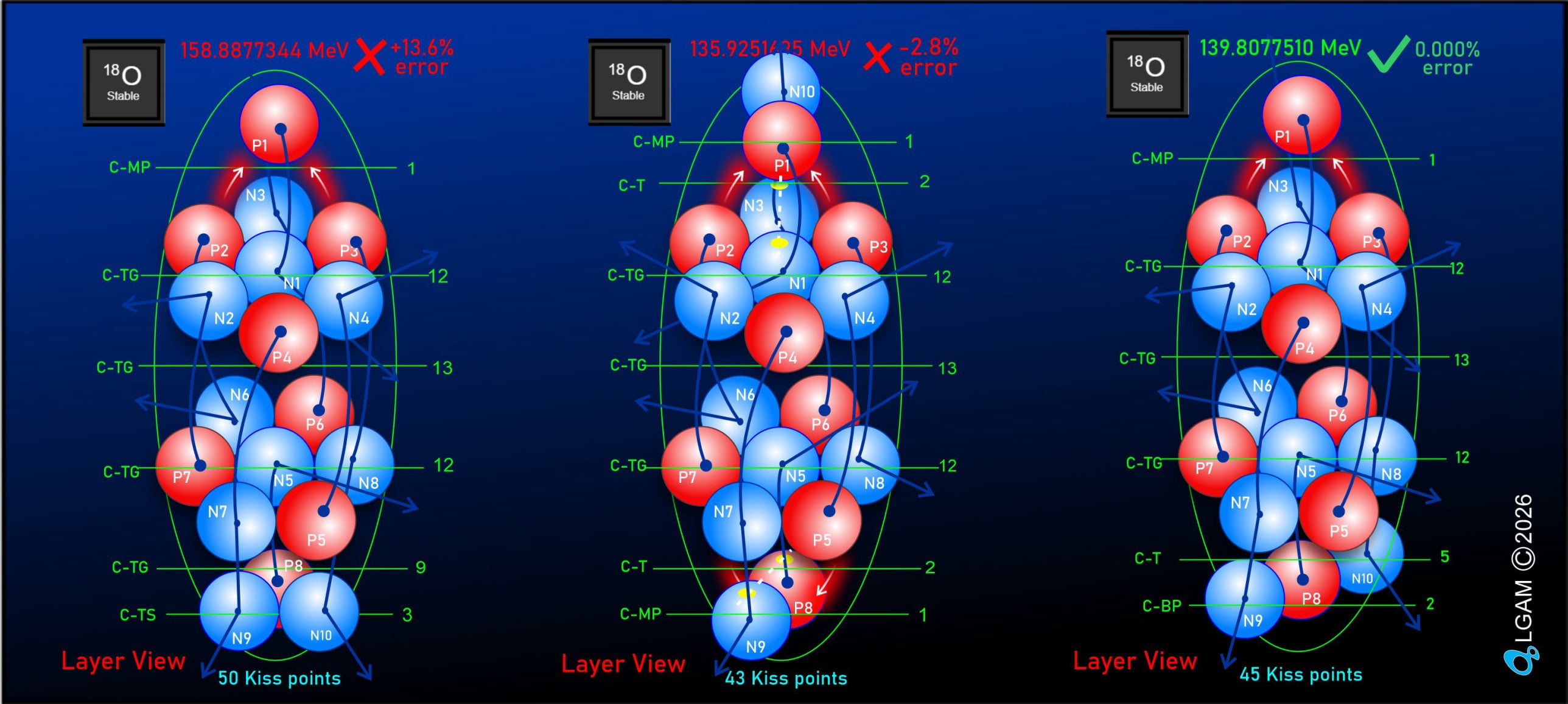
Mass loss is the energy displacement that occurs when nucleons bind to form larger elements. Traditional scientific methods can only calculate the average mass loss per nucleon in larger atoms with limited accuracy—and even less so for smaller ones. The LGA model breaks down nuclei into stacked structures, identifying each separate touchpoint and calculating their individual mass losses with far greater precision. While a key component is figuring out how nucleons nest together, other factors—such as increasing density in successive layers—also boost mass-loss density. The mapping method enables us to pinpoint touchpoints via structure and account for layer-by-layer density increases, which together yield a much more accurate way to calculate overall mass loss.

Currently, this method is done manually, which is slow and limits our ability to test multiple configurations for the best solutions. We hope to gain support to develop software that can process all elements and isotopes in far shorter timeframes, then use it to search for new, potentially viable and stable elements.


Kiss

Touch Points

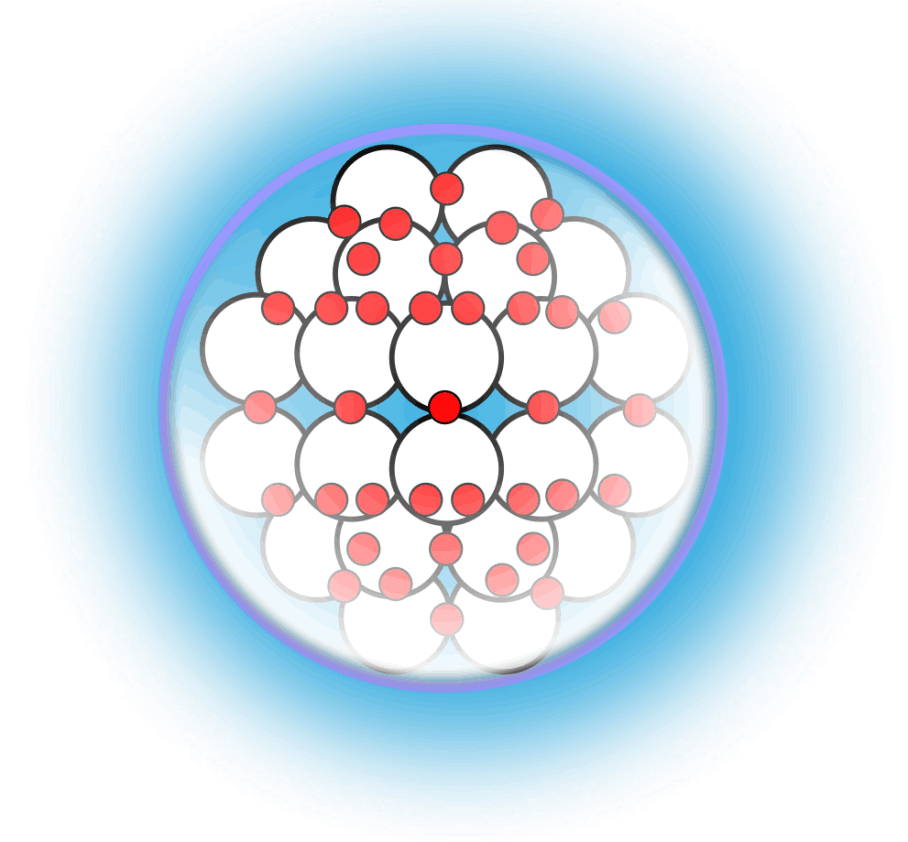
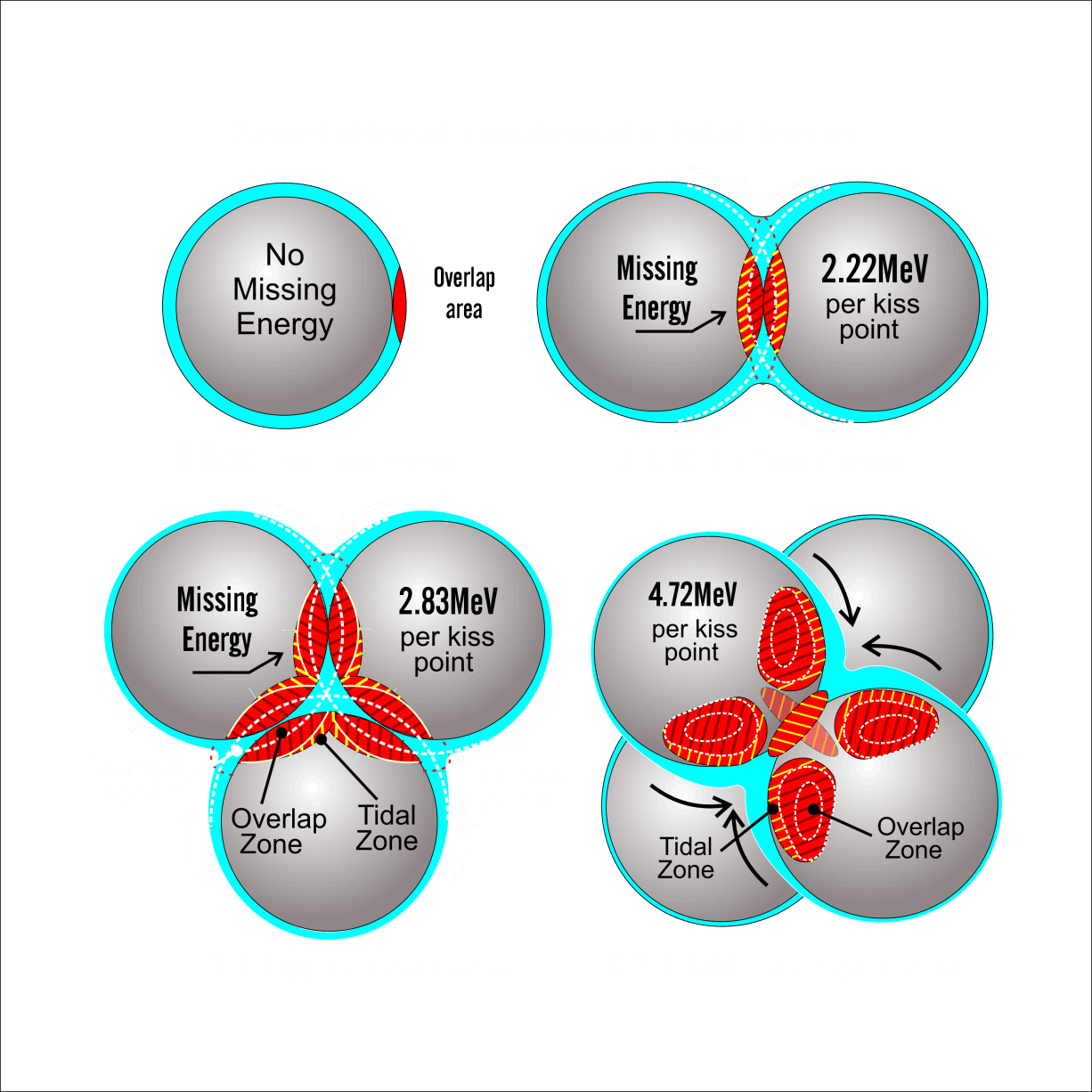
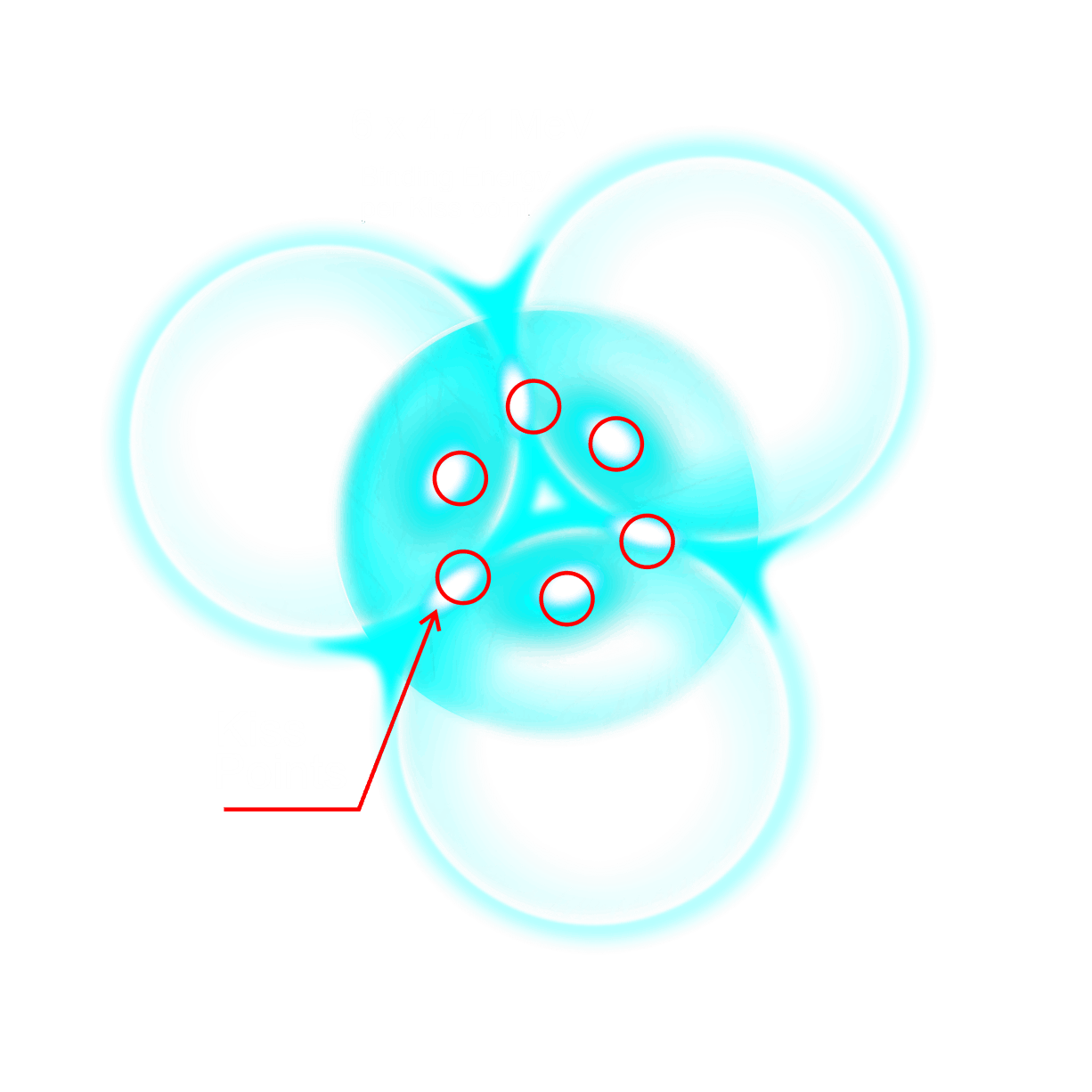
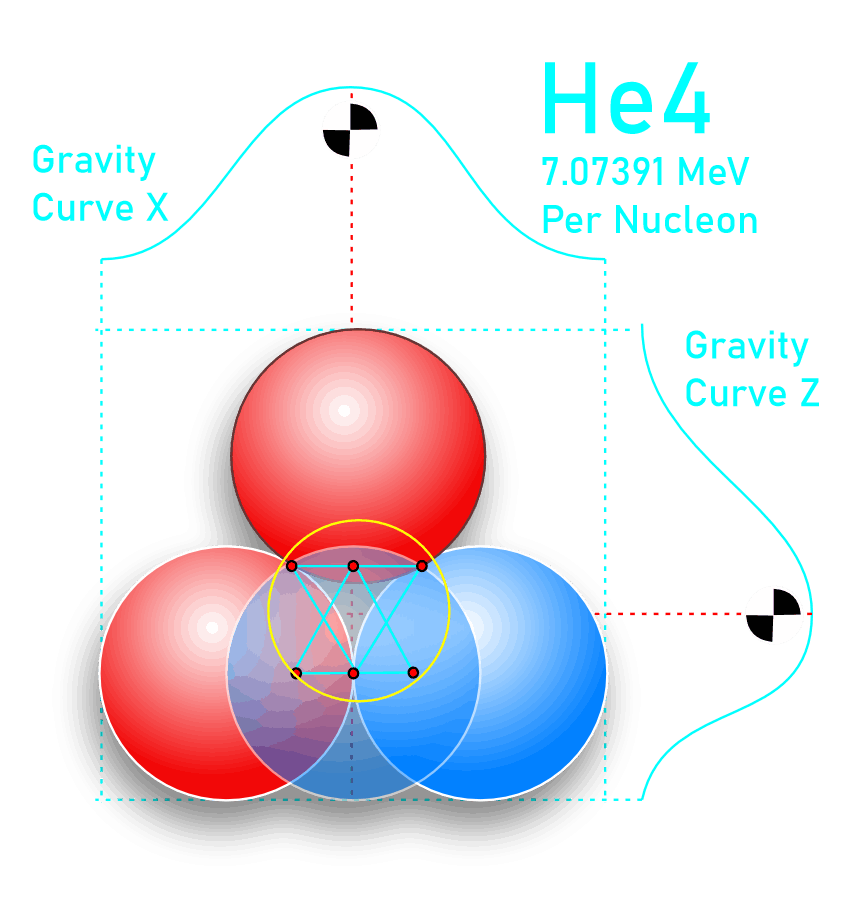
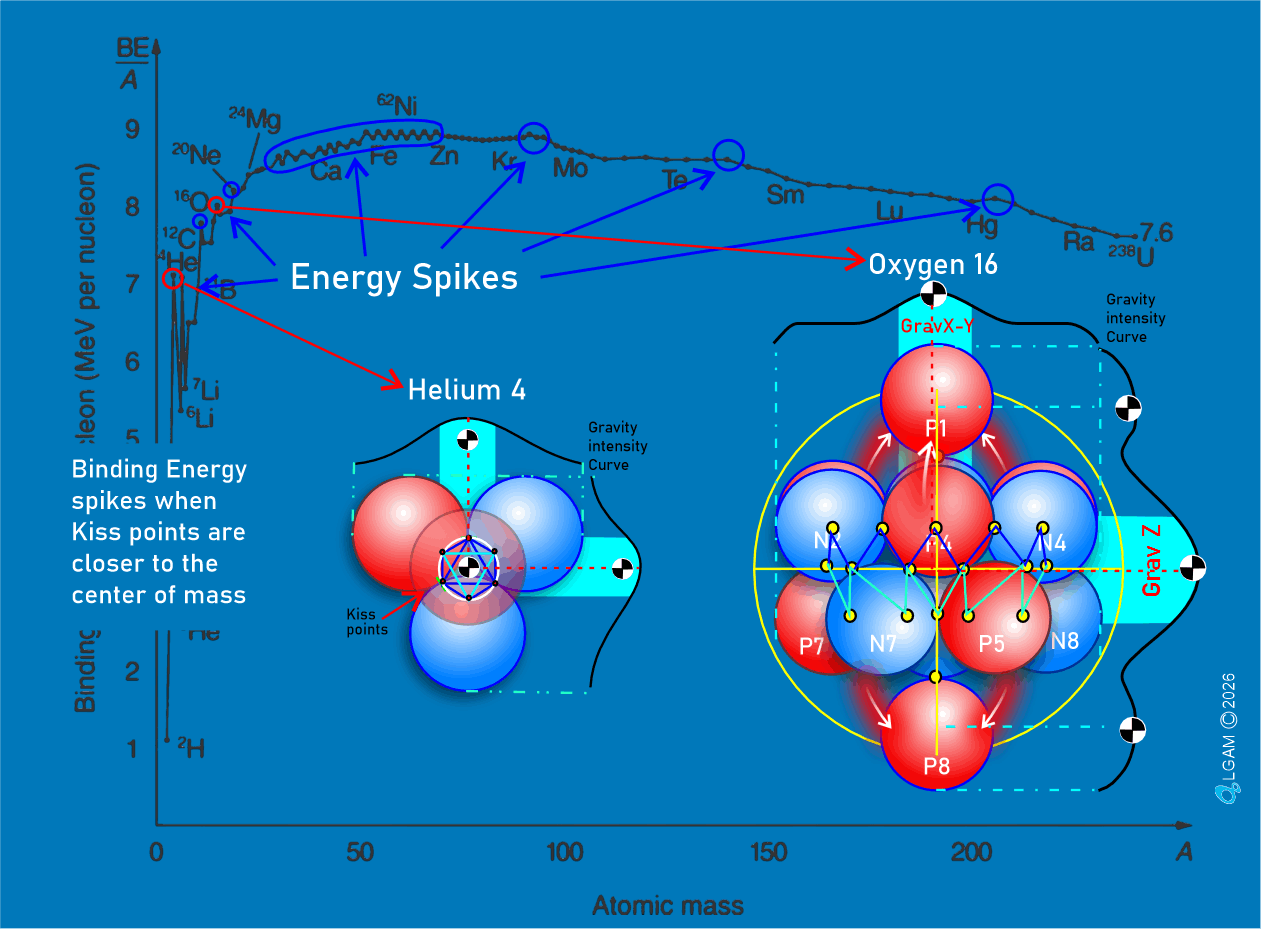
The traditional method of assessing atomic binding energy typically focuses on a per-nucleon basis. In contrast, the Liquid Gravity Model (LGM) introduces a more precise approach by examining the number of "kiss points"—the contact points within the atomic structure. For instance, H₂ has one kiss point, while He₄ has six. By pinpointing all kiss points and their specific locations, the accuracy of binding energy calculations can be significantly enhanced.

Additionally, two factors—stacking and tidal effects—impact each kiss point, influencing mass displacement. As nucleons become more deeply embedded within the nucleus, they tend to lose additional mass, resulting in an increase in binding energy.

Tidal

Gravitational

Gravity plays a key role inside the nucleus, with each nucleon generating a uniform negative radiation field that exhibits gravitational behavior. In the hydrogen-1 atom, the positive and negative fields are balanced, allowing us to postulate that the gravitational energy of a single nucleon is equivalent to a –1 charge opposing the +1 charge of the positive field.

When nucleons cluster together, tidal effects emerge as the “liquid surface” of each nucleus builds up at every point of contact. This liquid-like tidal behavior of binding mass becomes apparent when comparing the binding energies of H₂ and He⁴, where the per-contact (or “kiss point”) binding energy increases by about 220%. The reason is straightforward: each nucleon gravitationally influences its neighbor, raising the tidal level at each touch point and thereby displacing a greater amount of binding energy.

Nucleon Table

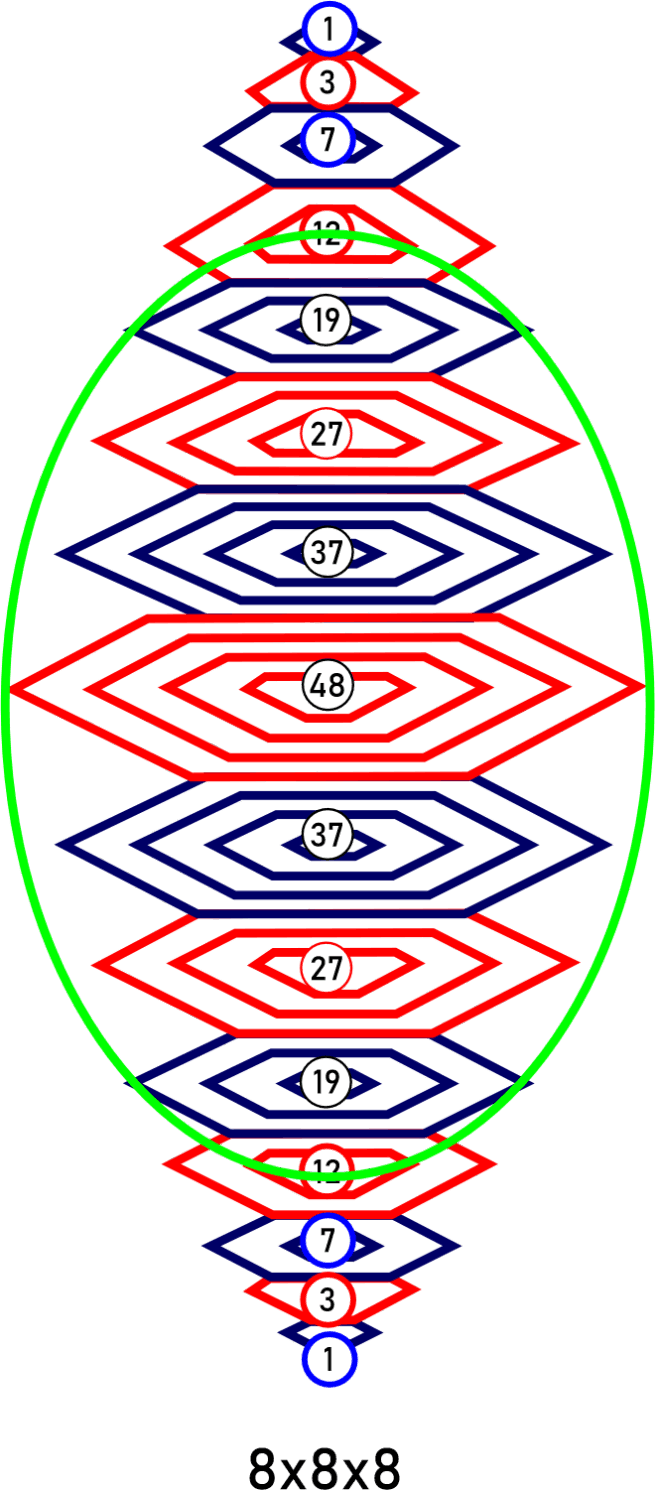
Why has no one produced a clear wall poster showing atomic nuclei from hydrogen (1) through oganesson (118) and beyond? Unlike the periodic table, which summarizes elemental properties, a “table of nuclei” would display how nuclear structures evolve and undergo layering transitions. The LGA model provides exactly that: a step‑by‑step map of nuclear build phases.

This table does not mirror the periodic table, because a given nucleon count can produce many isotopic configurations, each with its own structural nuances. The LGA picture treats each nucleon as a distinct object whose mutual attraction tends to centralize the cluster into an orbital-like shape. Chain-like linkages between nucleons, however, elongate the cluster into a rugby‑ball geometry as the neutron-to-proton ratio shifts away from balance.

Why is this useful? The nuclear mass surface shows peaks and troughs that lack a simple explanation. The LGA model suggests these features reflect structural transitions in stacking and touch‑point topology: when stacking patterns change, touch‑point configurations and local density change as well, altering the per‑nucleon mass loss and producing the observed variations in nuclear binding (mass) across isotopes.


Send Us Your Thoughts

Have some feedback or just want to say hi? Drop us a line! at info@liquidgravity.nz

© 2026 Liquid Gravity Atomic Model